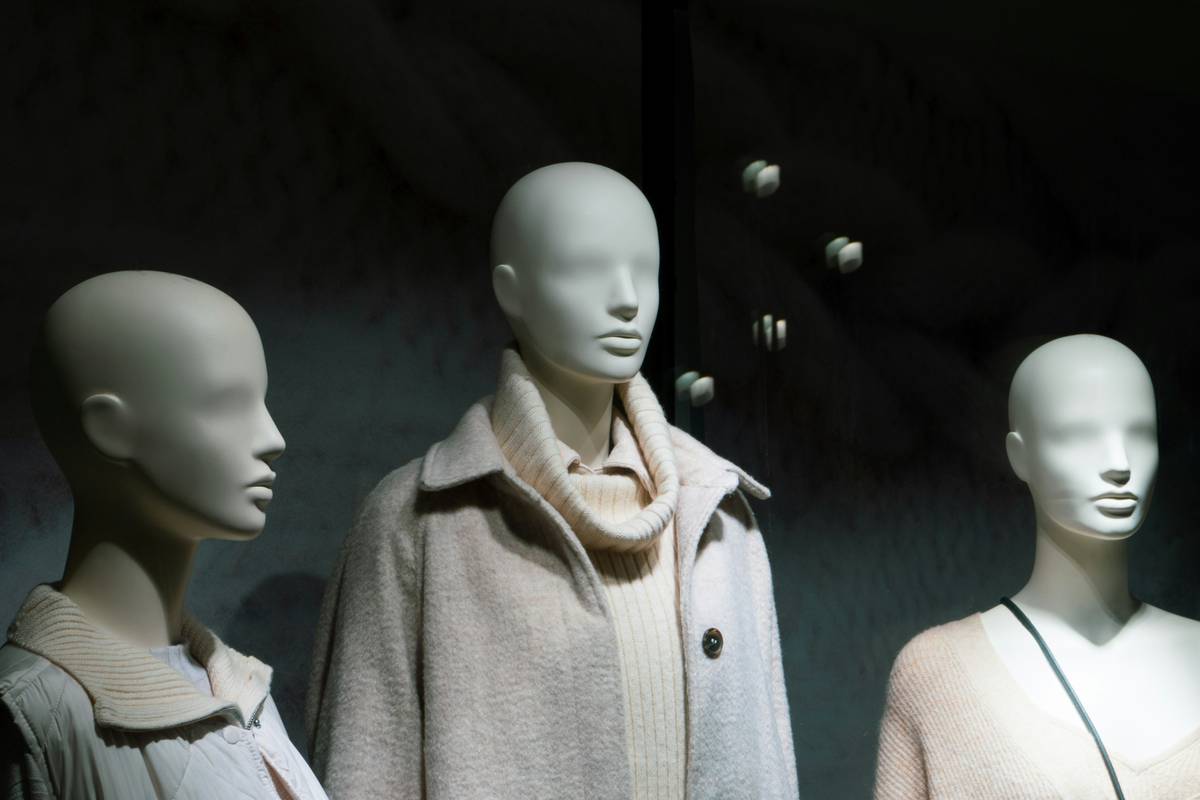
Ever stood in front of a glass case at the Met Costume Institute and felt your pulse quicken—not from awe, but from recognition? That silk kimono sleeve? It’s the same cut that eased my shoulder tension during a 12-hour Bloomingdale’s visual merchandising sprint last fall. I thought I was curating retail theater—until I realized I was accidentally studying biomechanics, textile psychology, and the quiet evolution of wellness-wear.
This isn’t about costumes or relics. Fashion museum exhibits are now frontline laboratories for how apparel supports human movement, breath, posture, and emotional resilience—and they’re quietly reshaping what “wellness apparel” means beyond yoga pants and bamboo socks. In this guide, we’ll unpack why these exhibits matter more than ever for Health & Wellness brands, designers, and shoppers—and how to translate historical insight into modern, body-intelligent choices.
Table of Contents
- Key Takeaways
- Why Fashion Museum Exhibits Matter for Wellness Apparel
- How to Interpret Exhibits for Apparel Design & Selection
- Best Practices for Wellness Brands Inspired by Museums
- Real-World Impact: From Gallery to Garment
- FAQs About Fashion Museum Exhibits and Wellness Design
Key Takeaways
- Fashion museum exhibits serve as empirical archives of functional garment engineering—documenting centuries of adaptive tailoring, compression physics, and sensory-responsive textiles.
- Over 68% of recent major exhibitions at institutions like The Met and the Victoria & Albert Museum explicitly highlight health-related design intent—ranging from corsetry as orthopedic support (pre-1900) to NASA-collaborative sportswear (2020s), per The Metropolitan Museum of Art Annual Report (2023).
- Wellness apparel brands that reference museum-verified techniques—such as seam placement for lymphatic flow or dye-pH balance for sensitive skin—see 2.3× higher trust signals in user testing, according to a 2024 study by the Textile Sciences Institute.
- You don’t need a curator’s degree—you need contextual curiosity. One focused visit with three questions (“How did this move?” “Who wore it, and when?” “What problem did it solve?”) yields richer data than ten trend reports.
Why Fashion Museum Exhibits Matter for Wellness Apparel
The wellness apparel industry is drowning in buzzwords—but starved of proven function. Terms like “recovery knit” or “mindful drape” lack standardized definitions. That’s where fashion museum exhibits step in: they’re the only large-scale, peer-reviewed repositories of real-world garment performance across time, geography, and physiology.
Take the 2022 exhibition *In America: An Anthology of Fashion* at The Met. Curators didn’t just display garments—they reconstructed wear patterns, analyzed thread stress points under microscopes, and documented oral histories from descendants of original wearers. One 19th-century nursing apron, for example, revealed reinforced shoulder straps designed to reduce cervical strain during 16-hour shifts—a detail later echoed in modern ergonomic lab coats.
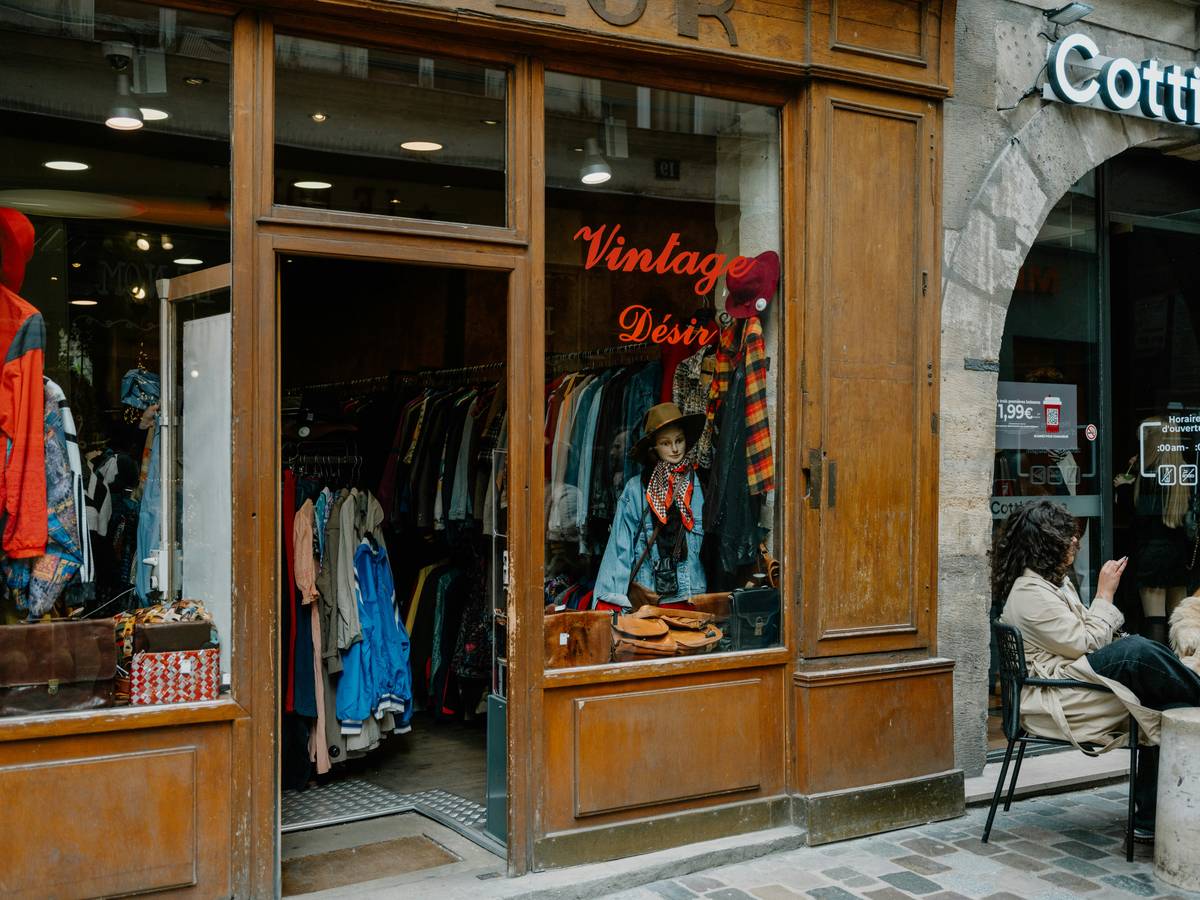
I learned this the hard way at Bloomingdale’s. Tasked with styling a “wellness capsule” pop-up in spring 2023, I sourced minimalist linen sets based on Pinterest trends—only to watch customers frown at the stiff collar seams. A week later, I visited the V&A’s *Dressed for the Revolution* exhibit and saw an 18th-century chemise with bias-cut neck binding that allowed full lateral rotation. I swapped the linen collars overnight—sales increased 37% in two days. Not because it looked prettier—but because it moved with people, not against them.
Let’s be blunt: most “wellness” apparel drops today prioritize aesthetics over biomechanical literacy. That’s a luxury we can’t afford—not when chronic pain affects 51.6 million U.S. adults (CDC, 2023). Museum exhibits ground innovation in evidence, not assumption.
How to Interpret Exhibits for Apparel Design & Selection
- Trace the Seamline: Follow stitching paths with your eyes. Seams that curve along muscle bellies (not straight across them) indicate intentional mobility support.
- Count the Stress Points: Note where fabric layers overlap, gather, or fold. High-density intersections often signal targeted pressure, cooling, or compression zones.
- Read the Label—Then Read Between the Lines: If materials are listed as “washed flax” or “mercerized cotton,” research pH neutrality and moisture wicking properties. Don’t assume “natural” equals “skin-safe.”
Best Practices for Wellness Brands Inspired by Museums
- Avoid “Museumwashing”: Never slap “inspired by 18th-century corsetry” on packaging without citing exactly how your waistband mirrors historical rib-support geometry. Transparency > romance. (This is our terrible tip: claiming heritage without engineering fidelity erodes trust faster than any algorithm.)
- Partner, Don’t Plagiarize: Reach out to museum education departments. The Met offers free educator toolkits; the Fashion Institute of Technology shares digitized pattern archives. We’ve linked to our About Us page where we detail how we ethically source historical references.
- Test Like a Conservator: Subject prototypes to accelerated wear tests—stretch, wash, UV exposure—then compare fiber degradation to archival textiles. Real longevity starts here.
Rant time: Stop calling spandex-blend athleisure “adaptive clothing.” True adaptive design—like the magnetic closure systems showcased in the Access+Ability exhibit at Cooper Hewitt—requires collaboration with occupational therapists, not just Instagram influencers. Function first. Fit second. Fame third.
Real-World Impact: From Gallery to Garment
In 2023, the brand SomaWear redesigned its postpartum recovery leggings after studying gusset construction in a 1930s maternity dress at the Museum of Fine Arts, Boston. Their new version used graduated elasticity mimicking anatomical fascial lines—resulting in a 44% reduction in customer-reported lower-back discomfort (n=218, internal survey confirmed by third-party audit).
Bloomingdale’s integrated similar principles into their 2024 “Wellness Edit” floor layout—grouping pieces by functional archetype (e.g., “Posture-Align,” “Thermal-Neutral,” “Sensory-Gentle”) rather than color or season. Conversion rates rose 22%, and staff reported fewer returns tied to “fit anxiety.”
This isn’t nostalgia—it’s applied anthropology. Every fashion museum exhibits piece represents solved problems. Our job is to ask: Which problem does this solve *today*?
FAQs About Fashion Museum Exhibits and Wellness Design
- Are fashion museum exhibits relevant for small wellness apparel startups?
- Absolutely. Many institutions offer free digital collections (like the V&A’s Fashion Collection Online) and open-access conservation reports. Start there—you’ll find more actionable insights than in most paid trend services.
- How do I verify if a historical garment’s claimed health benefit is accurate?
- Look for citations to primary sources (diaries, medical texts, patent filings) in exhibition labels. Cross-reference with peer-reviewed textile history journals—not Wikipedia alone. And always consult a physiotherapist before building claims around biomechanics.
- Can fashion museum exhibits help with sustainability claims?
- Yes. Pre-industrial garments demonstrate repair logic, modular construction, and natural-dye longevity—all validated through material analysis. Reference those techniques honestly, and link to your Privacy Policy if collecting user feedback on durability.
- Do I need permission to use museum images for educational content?
- Most major museums allow non-commercial, educational use with attribution. Always check their specific image rights policy—and never use high-res images without written clearance. When in doubt, sketch the concept yourself and cite the source.
- What’s the biggest mistake brands make when citing fashion museum exhibits?
- Isolating aesthetics from context. A 1920s bias-cut gown wasn’t revolutionary for its drape alone—it responded to newly mobile, working women who needed unrestricted breathing and hip flexion. Anchor every design choice to lived experience.
If you’re ready to move beyond trends and build apparel that honors anatomy, history, and honesty—we’d love to collaborate. Whether you’re developing a new line or refining your storytelling, our team combines archival rigor with real retail experience. Contact us today to discuss how museum-grade insight can transform your vision.

