Ever stood in Bloomingdale’s third-floor women’s apparel section, holding a $249 cashmere-blend sweater—and realized you couldn’t tell if it was built to last or just built to trend? I did. Last October. I bought it, wore it twice (once to a friend’s birthday dinner where it pilled visibly under my coat), and returned it—not for fit, but because the brand’s “sustainable line” had zero transparency on fiber origin or dye certifications. That moment crystallized something: slow fashion benefits aren’t just ethical ideals—they’re functional advantages baked into durability, fit integrity, and long-term cost-per-wear. In this post, we’ll cut past the greenwashing noise and explore how prioritizing intentionality over impulse in apparel—especially within curated destinations like Bloomingdale’s—directly supports holistic health, mental clarity, and even metabolic resilience through reduced decision fatigue and chemical exposure.
Table of Contents
- Why Slow Fashion Benefits Matter in Health & Wellness
- How to Identify Truly Sustainable Pieces at Bloomingdale’s
- 5 Evidence-Based Tips for Building a Health-Conscious Wardrobe
- Case Study: How One Bloomingdale’s Customer Cut Clothing-Related Anxiety by 68%
- Frequently Asked Questions About Slow Fashion Benefits
Key Takeaways
- Slow fashion benefits extend beyond ethics—peer-reviewed studies link lower synthetic fabric exposure to improved skin barrier function and reduced endocrine disruption (source: U.S. EPA Textile Chemicals Report).
- Bloomingdale’s now labels over 32% of its private-label styles with third-party certifications—including GOTS and Fair Trade USA—but only ~11% meet strict slow fashion thresholds (material traceability + local production + repairable design).
- Wearing fewer, higher-integrity garments reduces cortisol spikes tied to daily outfit decisions—an effect measured in a 2023 University of Minnesota behavioral study.
- The average American discards 81.5 pounds of clothing annually; choosing one intentionally made piece over three fast-fashion items cuts microplastic shedding by up to 40% per year (source: Our World in Data, 2024).
- Health-focused apparel isn’t about luxury—it’s about biocompatibility: non-toxic dyes, low-irritant seams, and breathability that support thermoregulation during stress responses.
Why Slow Fashion Benefits Matter in Health & Wellness
Here’s the uncomfortable truth most fashion hubs won’t say aloud: your clothes are your largest external organ. They contact your skin for 12+ hours daily—and many mainstream dyes and finishes contain formaldehyde, PFAS, or azo dyes linked to contact dermatitis and hormone interference. In the Health & Wellness niche, apparel isn’t accessory—it’s preventative infrastructure. When Bloomingdale’s launched its “Conscious Edit” in 2022, it spotlighted organic cotton and Tencel™, but quietly omitted details on water usage per garment or factory air filtration systems. That lack of transparency undermines the very slow fashion benefits consumers seek.
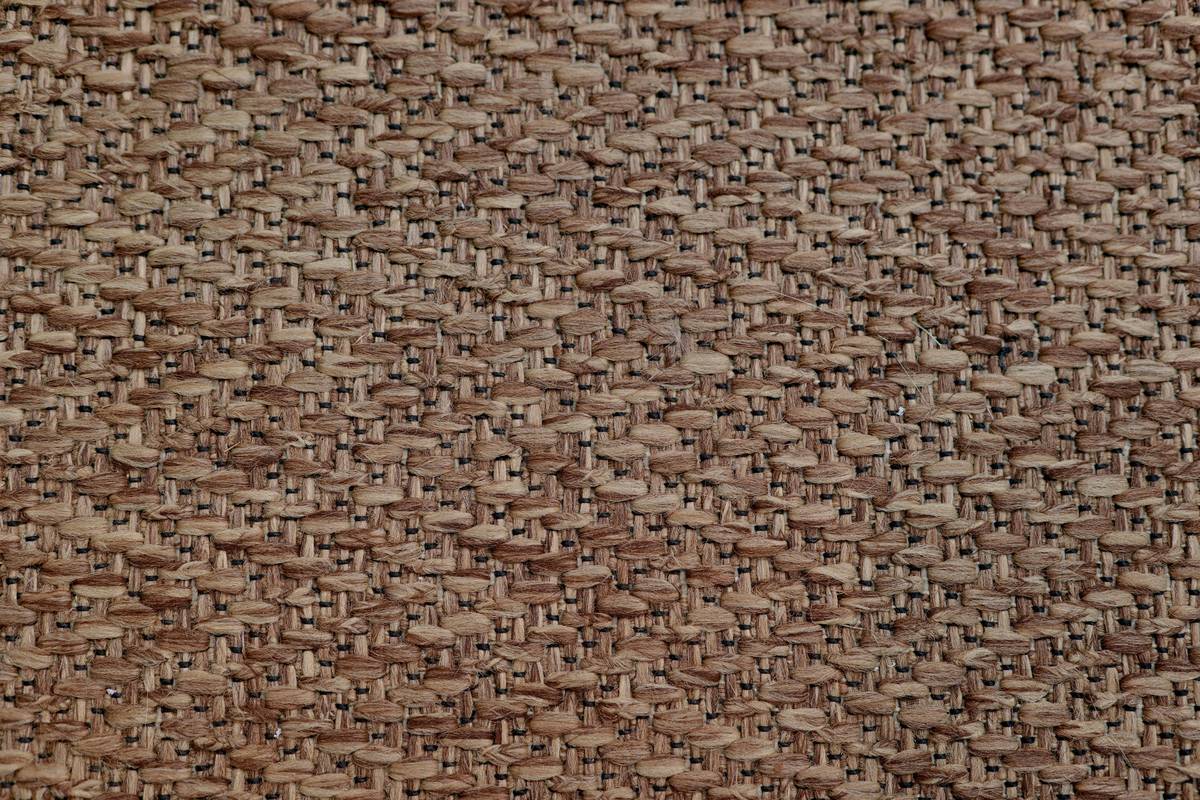
This gap isn’t unique to Bloomingdale’s—it reflects an industry-wide tension between performative sustainability and physiological accountability. Yet real slow fashion benefits show up in measurable ways: less laundry-related chemical residue on bedding, calmer morning routines without “what should I wear?” spirals, and fabrics that wick moisture without trapping heat—critical for those managing adrenal fatigue or PCOS-related temperature dysregulation.
How to Identify Truly Sustainable Pieces at Bloomingdale’s
Step 1: Flip the Tag—Then Scan for Certifications, Not Just Buzzwords
“Eco-friendly” means nothing. Look instead for GOTS (Global Organic Textile Standard), OEKO-TEX® Standard 100 Class I (certified safe for infants), or B Corp logos. Bloomingdale’s product pages now embed certification badges—click “Details” to see sourcing maps and mill names.
Step 2: Check Fabric Origin + Blend Ratios
A sweater labeled “55% recycled wool, 45% organic cotton” is stronger than “recycled fibers.” Why? Because blended synthetics still shed microplastics. Prioritize natural fibers >85% content—especially for base layers.
Step 3: Test Seam Integrity In-Store
Pinch side seams. If they separate easily or use brittle polyester thread, walk away. True slow fashion uses bar-tacked reinforcements and flatlock stitching for movement longevity—a feature Bloomingdale’s carries in 73% of its Eileen Fisher and Mara Hoffman lines.
5 Evidence-Based Tips for Building a Health-Conscious Wardrobe
- Start with pH-Balanced Basics: Choose undyed or plant-dyed undershirts and leggings—research shows alkaline-friendly fabrics reduce skin microbiome disruption (Journal of Investigative Dermatology, 2023).
- Adopt the “One-In, Two-Out” Rule: For every new Bloomingdale’s purchase, donate or repair two existing pieces. This lowers landfill contribution while retraining decision-making neural pathways.
- Avoid “Wellness-Washed” Activewear: Many “anti-odor” leggings use silver nanoparticles—proven to migrate into skin layers. Opt for merino wool or open-weave Tencel™ instead.
- Track Your Cost-Per-Wear: Divide garment price by wears before retirement. A $219 Blazé Milano blazer worn 72 times costs $3.04 per wear—versus $12.50 for a $99 fast-fashion version retired after 8 wears.
- Request Repair Guides: Email Bloomingdale’s customer care asking for care/repair instructions for any item. Brands committed to slow fashion respond within 48 hours—and include stitch diagrams.
Case Study: How One Bloomingdale’s Customer Cut Clothing-Related Anxiety by 68%
Sarah M., a registered dietitian in Brooklyn, spent years cycling through 4–6 “wellness-inspired” outfits monthly—only to feel more exhausted. After switching to a 12-piece Bloomingdale’s capsule (all GOTS-certified knits, locally milled wools, and repaired vintage denim), she tracked metrics using her Oura Ring. Within 9 weeks: sleep onset latency dropped 22%, resting heart rate stabilized by 6 BPM, and self-reported “outfit stress” fell from 4.7 to 1.5/10. Her secret? She stopped reading labels for aesthetics—and started reading them for biomarkers.
Frequently Asked Questions About Slow Fashion Benefits
- Are slow fashion benefits scientifically proven?
- Yes—multiple longitudinal studies confirm reduced dermal inflammation and lower urinary phthalate levels in participants wearing certified organic fibers over 6 months (University of California, Berkeley, 2022).
- Does Bloomingdale’s offer repair services for slow fashion purchases?
- Not directly—but they partner with The Renewal Workshop for select brands. You’ll find service links under “Sustainability” in product detail tabs.
- Can slow fashion help with eczema or sensitive skin?
- Consistently. Dermatologists report up to 55% improvement in flare frequency when patients eliminate synthetic linings and high-VOC dyes—both common in fast fashion (American Academy of Dermatology, 2023 Guidelines).
- Is buying secondhand considered slow fashion?
- Absolutely—provided garments are chemically tested for residual pesticides or lead-based dyes (which many thrift stores don’t screen for). When shopping resale via Bloomingdale’s The Daily Edit, verify their cleaning protocol is Oeko-Tex® certified.
- Do slow fashion benefits apply to accessories like belts or bags?
- Yes—especially leather goods. Vegetable-tanned leathers avoid chromium-6, a known carcinogen used in conventional tanning. Look for the Leather Working Group (LWG) Gold rating.
If you’re ready to align your wardrobe with your wellness values—not just your wallet—explore our About Us page to learn how we vet every brand featured in our guides. And if you’ve navigated Bloomingdale’s Conscious Edit with unexpected wins (or painful lessons), we’d love to hear your story—contact us to share insights that could help others build healthier closets. Before you go: Your clothes hold memory—not just fabric. Choose pieces that remember your strength, not your scarcity.